Integrated Filtration, Extraction & Drying Solutions
Delivering Reliable, Cost-Effective Process Results
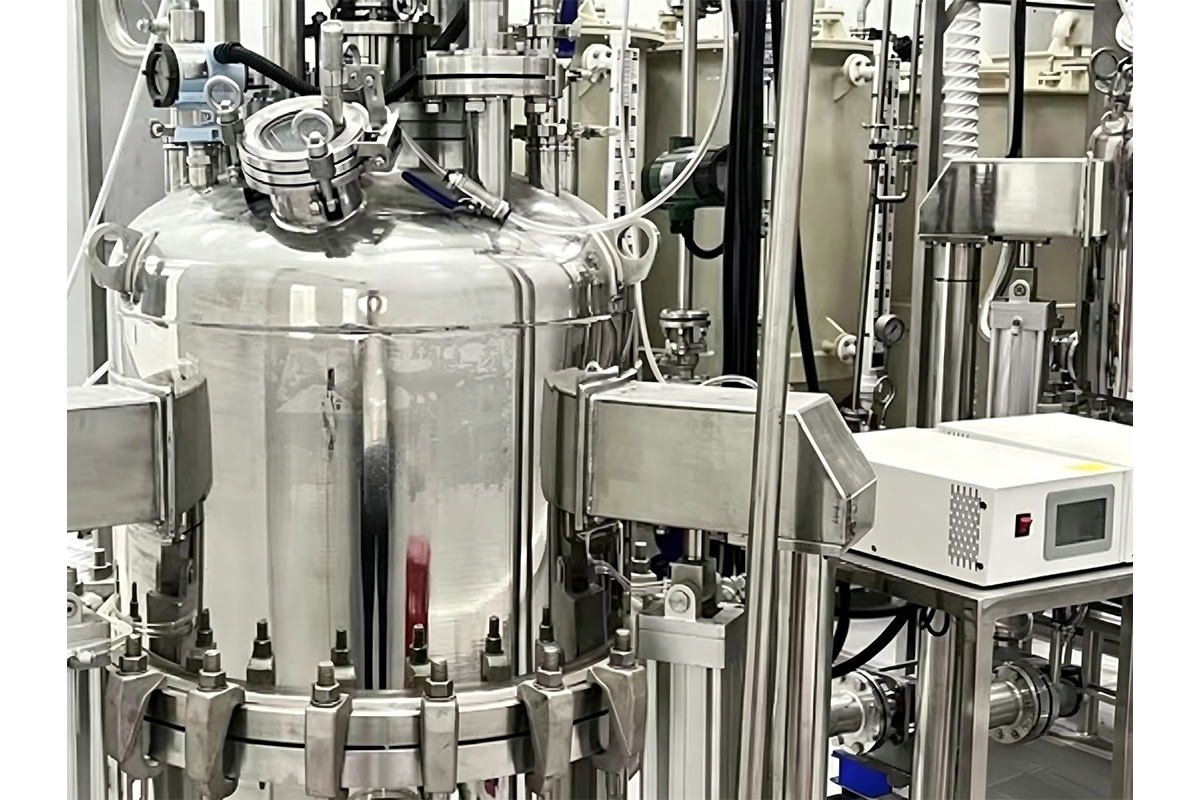
OIL-WATER SEPARATOR
Solvent Recovery from Extraction Tail Liquid, Special Equipment for High-Efficiency Oil-Water Separation with Multiple Mechanisms
For recovery of entrained organic solvent from raffinate, washing liquid and stripping liquid, providing various separation schemes such as gravity, centrifugal, air flotation and coalescence. Centrifugal type has the advantages of fast speed, wide adaptability and high automation.

PRODUCT INTRODUCTION
Oil-water separation equipment is used to separate oil and water in oil-containing water phase. Oil phase generally refers to organic phase, and water phase generally refers to aqueous solution phase or material phase. In the extraction process, it is generally used for raffinate, washing tail liquid or stripping tail liquid to recover entrained organic solvent phase.
Gravity separation: Based on the density difference between oil phase and water phase, oil phase generally floats on the water surface and water phase sinks to the bottom to realize separation, such as settling tanks and oil separation tanks.
Centrifugal separation: Accelerates oil-water phase separation by using centrifugal force field and based on density difference between oil phase and water phase. Generally, oil phase is close to the main shaft and water phase is close to the inner wall of the rotor to realize enhanced separation. Compared with gravity separation, it has the advantages of fast separation speed and high separation efficiency, such as oil-water separator.
Air flotation separation: Inject tiny bubbles into water phase materials to make oil droplets adhere to the bubble surface and float up to the water surface with bubbles to form scum, thus realizing oil-water separation.
Adsorption separation: Adsorb oil in wastewater by using porous structure of adsorption materials, such as activated carbon and diatomite.
Coalescence separation: Make tiny oil droplets coalesce into large oil droplets through lipophilic and hydrophobic properties of coalescence materials to accelerate floating separation.
Electrochemical/chemical demulsification separation: Destroy the stability of emulsified oil through electric field or chemical agents to make oil droplets coalesce and separate.
Membrane separation: Use selective permeable membranes such as ultrafiltration membrane and nanofiltration membrane to retain oil and allow water molecules to pass through.
TECHNICAL HIGHLIGHTS
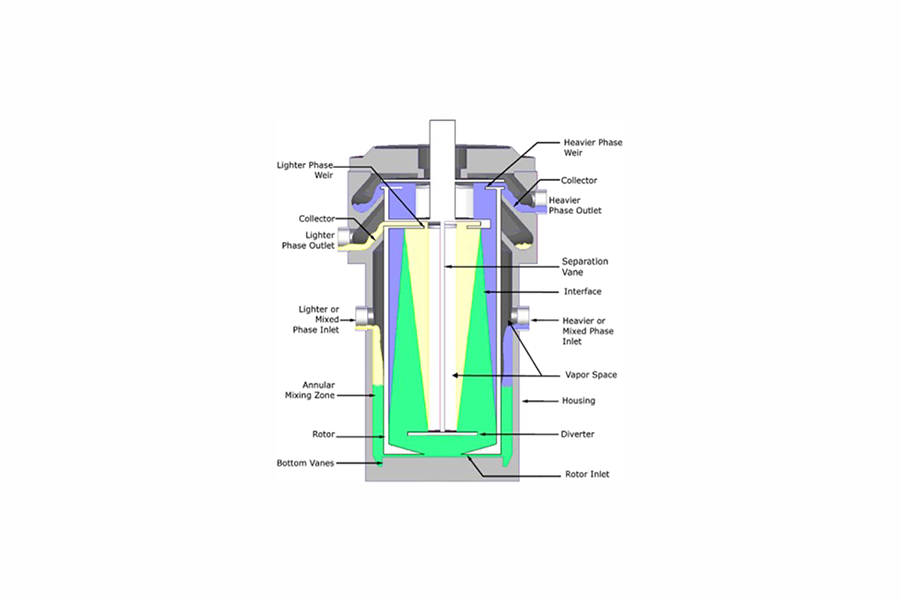
Select appropriate oil-water separation device according to specific material characteristics and process requirements;
Centrifugal oil-water separation device: fast separation speed, wide adaptation range and high degree of automation
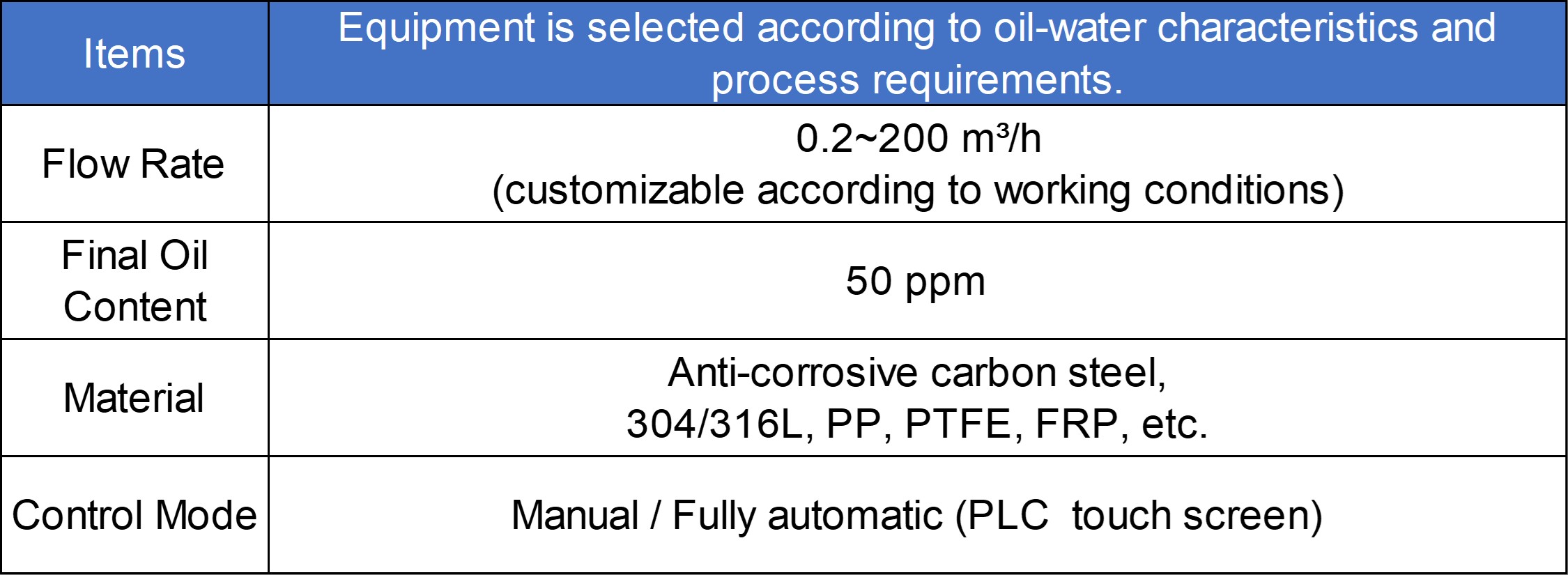
TECHNICAL SPECIFICATIONS TABLE
DOWNLOAD CENTER
APPLICATION CASES
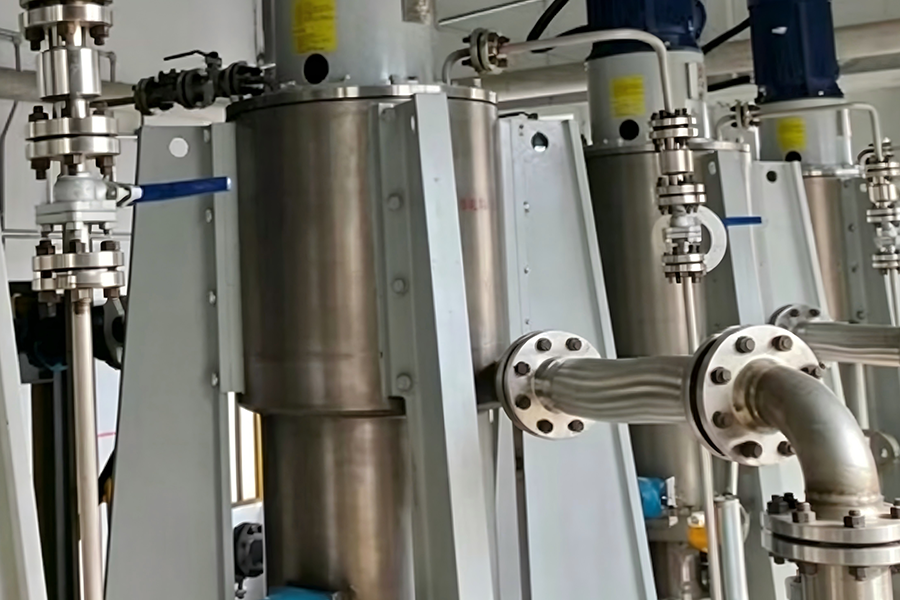
CTX Top-suspended Centrifugal Extraction System for Metal Recovery of Used Battery
Multi-stage counter-current CTX overhung centrifugal extractors enhance metal extraction rate and purity for waste battery hydrometallurgy, lowering production costs.
VIEW TECH SPECS
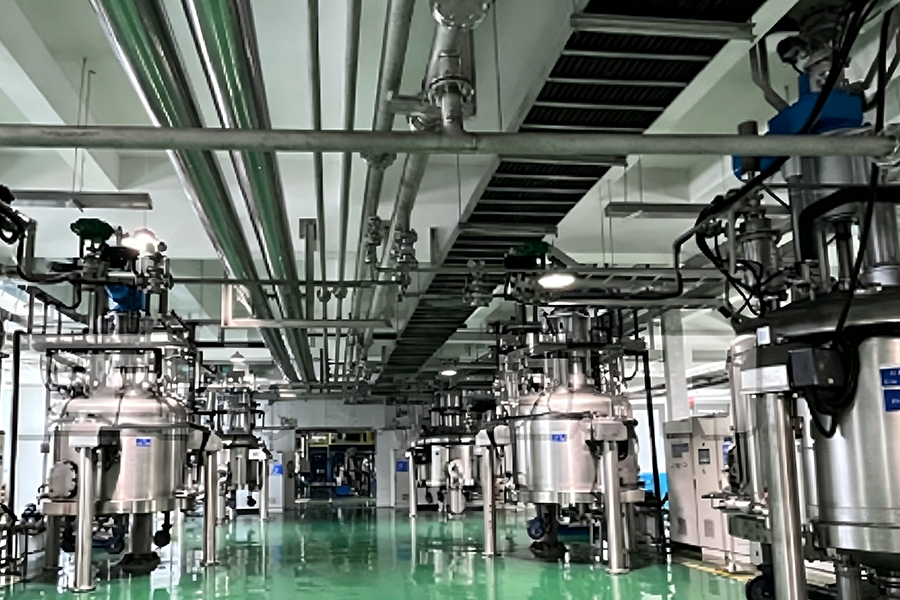
Application of MY filter/dryer machine in ternary precursor production
The MY filter-washing all-in-one is widely used in lithium battery precursor production, reducing washing liquid consumption via enclosed automated operation.
VIEW TECH SPECS
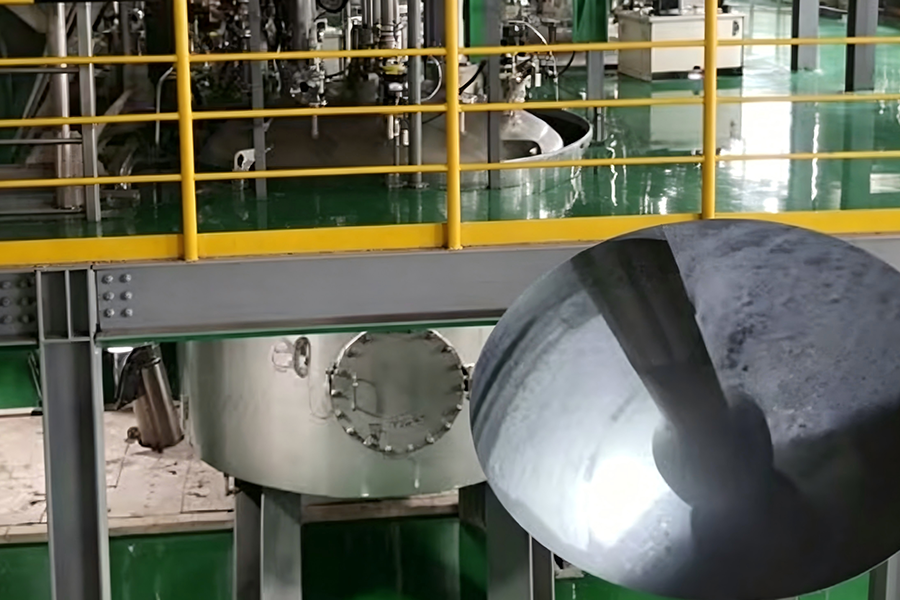
MY filter/dryer is used for three-way anode material recovery
Our proprietary MY filter/dryer integrates filtration, washing and drying for ternary cathode recycling with fully enclosed automatic operation.
VIEW TECH SPECS
